



Founding Partner
What Parker Waichman LLP Found
Millions of Americans rely on over-the-counter and prescription allergy medications every year to manage seasonal allergies, chronic hives, and other allergic conditions. Consumers expect these medications to contain only the ingredients listed on the label and to be manufactured under strict quality control standards. When contamination occurs during the manufacturing process, patients may unknowingly ingest medications containing unintended substances that could place their health at risk.
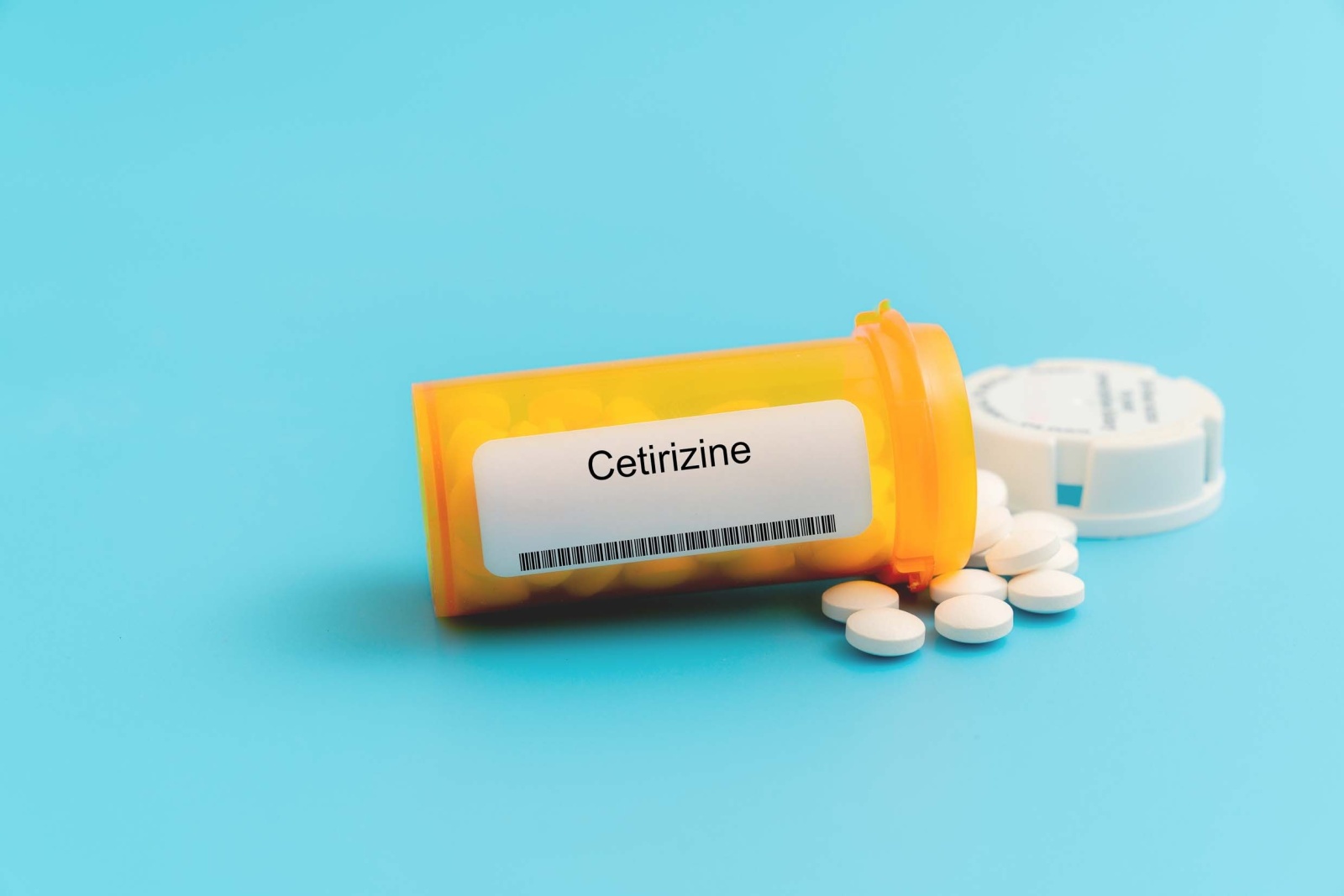
The U.S. Food and Drug Administration (FDA) recently announced a nationwide voluntary recall involving certain lots of cetirizine hydrochloride tablets USP 5 mg, a generic version of the widely recognized allergy medication Zyrtec. According to the recall notice, the affected medications may have been cross-contaminated with ranitidine, a drug historically used to treat heartburn and acid reflux.
Although no injuries had been reported at the time of the recall announcement, federal regulators warned that exposure to ingredients contained in ranitidine could cause severe and potentially life-threatening reactions in individuals who are hypersensitive to those ingredients. The FDA identified risks that include hypotension, difficulty breathing, difficulty swallowing, loss of consciousness, and other serious adverse reactions.
Medication recalls involving contamination are treated seriously because consumers have no practical way of identifying contaminated tablets before taking them. Patients trust that prescription and over-the-counter medications have been manufactured according to strict pharmaceutical quality standards. When contamination is discovered, immediate action is necessary to protect public health and prevent avoidable injuries.
For patients who suffered adverse reactions after taking contaminated medication, the recall may also raise important legal questions regarding pharmaceutical manufacturing practices, quality assurance procedures, and product liability.
Every medication contains carefully measured active and inactive ingredients designed to produce a specific therapeutic effect. Pharmaceutical manufacturers are expected to follow rigorous manufacturing practices that prevent unintended substances from entering medications during production, packaging, labeling, and distribution.
Cross-contamination occurs when ingredients from one medication are inadvertently introduced into another product. This can happen if manufacturing equipment is not adequately cleaned between production runs, if quality control procedures fail, or if production systems allow different medications to come into contact with one another.
Even small amounts of contamination may present serious risks for certain patients. Individuals with allergies, sensitivities, or underlying medical conditions may experience unexpected reactions after exposure to ingredients that are not disclosed on the product label.
In this recall, the concern involves possible contamination of cetirizine tablets with ranitidine. Consumers purchasing an allergy medication would have no reason to expect the presence of a heartburn medication or any of its ingredients.
Medication contamination also undermines patient confidence in the pharmaceutical supply chain. Consumers rely on physicians, pharmacists, manufacturers, and regulators to ensure medications are accurately labeled and safe for their intended use. When contamination occurs, patients may unknowingly expose themselves to risks they never agreed to accept.
According to information released by the FDA, the contamination issue came to light after a pharmacy technician observed unusual abnormalities while counting and bottling cetirizine tablets.
The technician reportedly noticed what appeared to be a red dot on several tablets. Additional tablets showed discoloration that differed from the medication’s expected appearance. These visual abnormalities prompted further investigation into the affected products.
Observations made by pharmacists and pharmacy technicians frequently serve as an important layer of consumer protection. While pharmaceutical manufacturers maintain internal quality assurance programs, healthcare professionals often identify irregularities after products reach pharmacies and healthcare facilities.
Visual changes such as discoloration, unexpected markings, crumbling tablets, unusual odors, broken coatings, or inconsistent tablet shapes may indicate manufacturing defects or contamination. Although not every visual irregularity reflects a dangerous defect, any unexpected change in medication appearance deserves careful evaluation.
The prompt recognition of these abnormalities likely helped prevent additional potentially contaminated medication from reaching patients.
Ranitidine was widely used for many years to reduce stomach acid and treat conditions such as heartburn, acid reflux, and ulcers. Although it was once one of the most commonly prescribed acid-reducing medications, concerns involving contamination in certain ranitidine products led to significant regulatory actions in recent years.
The current recall is not based on patients intentionally taking ranitidine. Instead, it involves the possibility that ingredients associated with ranitidine may have unintentionally contaminated cetirizine tablets during manufacturing.
According to the FDA, individuals who are hypersensitive to ingredients contained in ranitidine could experience serious adverse reactions, including:
For many patients, allergic reactions can escalate rapidly. Severe hypersensitivity reactions may require emergency medical treatment, hospitalization, administration of epinephrine, respiratory support, or intensive monitoring.
Consumers taking allergy medication generally expect relief from allergic symptoms—not exposure to ingredients capable of triggering severe reactions.
The recall involves:
Product
Cetirizine Hydrochloride Tablets USP 5 mg
Distributor
Rising Pharma Holdings Inc.
Package Size
100-tablet bottles
Expiration Date
October 2028
Affected Lot Numbers
The affected medications were distributed to retailers throughout the United States.
Consumers who possess any of these lot numbers should stop using the affected medication and follow the recall instructions provided by the manufacturer and the FDA.
Individuals uncertain whether their medication is included should compare the lot number printed on the bottle with the recalled lot numbers.
Drug manufacturing requires extraordinary precision. Every stage of production must follow strict quality standards designed to prevent contamination, dosage errors, labeling mistakes, and other manufacturing failures.
Manufacturers generally employ multiple quality assurance measures, including:
When contamination occurs despite these safeguards, investigators often examine whether manufacturing procedures were properly followed or whether additional corrective actions should have been implemented.
Pharmaceutical recalls sometimes reveal broader concerns involving production practices, equipment maintenance, supplier controls, or quality management systems. Regulatory investigations may continue long after a recall announcement to determine the root cause of the contamination.
Consumers rely heavily on these quality control systems because medications cannot be independently inspected by patients before use.
Although no adverse events had been reported when the recall was announced, contaminated medications have the potential to cause significant health complications depending on the patient and the nature of the contamination.
Potential injuries may include:
Some patients face greater risks than others. Individuals with multiple allergies, compromised immune systems, chronic respiratory diseases, cardiovascular conditions, or previous medication sensitivities may be more vulnerable to adverse reactions.
Prompt medical evaluation is important whenever unexpected symptoms develop after taking recalled medication.
Consumers who possess recalled cetirizine tablets should avoid taking additional doses from affected lots until they receive guidance from their pharmacist or healthcare provider.
Patients should:
Individuals who experience difficulty breathing, swelling, loss of consciousness, severe allergic reactions, or other emergency symptoms should seek immediate medical attention.
Can I file a lawsuit if I became ill after taking recalled cetirizine tablets?
Possibly. If you experienced a serious allergic reaction, required medical treatment, or suffered other injuries after taking recalled medication, you may have grounds to pursue a product liability claim. A legal evaluation can help determine whether the recalled medication contributed to your injuries.
What compensation may be available in a contaminated medication lawsuit?
Depending on the circumstances, compensation may include medical expenses, hospitalization costs, lost income, future medical care, pain and suffering, emotional distress, and other damages related to the injury.
Does a recall automatically mean the manufacturer is legally liable?
No. A recall does not automatically establish liability. However, a recall may serve as important evidence that a product presented a safety concern. Additional investigation is often necessary to determine how the contamination occurred and whether legal responsibility exists.
What evidence should I keep if I experienced a reaction?
Consumers should preserve the medication bottle, remaining tablets, pharmacy receipt, prescription records, medical records, photographs, and any documentation of treatment. These materials may become important evidence during a legal investigation.
What if I already finished the medication?
If you experienced unexpected symptoms while taking the recalled medication, you should discuss the situation with your healthcare provider. Pharmacy dispensing records may help determine whether your prescription came from one of the recalled lots.
How do product liability investigations involving contaminated drugs work?
These investigations often examine manufacturing records, quality assurance procedures, inspection reports, laboratory testing, distribution records, and medical evidence to determine whether contamination occurred and whether it caused a patient’s injuries.
How long do I have to file a lawsuit?
The filing deadline varies depending on state law and the specific facts of the case. Because legal deadlines can expire, individuals who believe they were harmed by a contaminated medication should have their situation evaluated as soon as possible.
Injured After Taking Recalled Cetirizine Tablets? Parker Waichman LLP Can Help.
Consumers trust that prescription and over-the-counter medications have been manufactured safely and accurately. When contamination occurs, the consequences can include serious allergic reactions, emergency medical treatment, hospitalization, and other preventable injuries.
If you or a loved one suffered harm after taking recalled cetirizine tablets or another contaminated medication, you may have important legal rights.
Parker Waichman LLP represents individuals nationwide in pharmaceutical product liability litigation involving defective and contaminated medications. The firm offers free consultations to help injured consumers understand their legal options and determine whether they may be entitled to compensation.
Call 1-800-YOUR-LAWYER (1-800-968-7529) today for a free case evaluation. Regardless of your location or where your injury occurred, our nationwide product injury law firm is ready to assist you.
Parker Waichman LLP
 Amputation Injury
 Auto Accident Lawyer
 Aviation Accident
 Bicycle Accident Lawyer
 Birth injury
 Boat accident
 Burn injury
 Bus accident
 Catastrophic Injury Lawyer
 Clergy sexual abuse
 Construction Accident
 DUI injury
 Distracted driving accident
 Dog bite injury
 E-bike accident
 General negligence
 Hit and run accident
 Lyft accident
 Medical malpractice
 Motorcycle accident
 Nursing home abuse
 Pain and suffering
 Pedestrian accident
 Personal injuries
 Premises liability
 Rideshare accident
 Electric scooter accident
Sexual abuse
Slip & fall injury
Electric scooter accident
Sexual abuse
Slip & fall injury
 Spinal cord injury
Traumatic brain injury
Trip and fall injury
Truck accident
Spinal cord injury
Traumatic brain injury
Trip and fall injury
Truck accident
 Uber accident
Workers compensation
Uber accident
Workers compensation
 Wrongful death
Why Trust UsWith Your Case?

We Take Care of Everything

No Recovery = No Fees

Decades of Experience

Recovered Billions of Dollars
Respected by Our Peers
Amputation Injury
Auto Accident Lawyer
Aviation Accident
Bicycle Accident Lawyer
Birth injury
Boat accident
Burn injury
Bus accident
Catastrophic Injury Lawyer
Clergy sexual abuse
Construction Accident
DUI injury
Distracted driving accident
Dog bite injury
E-bike accident
General negligence
Hit and run accident
Lyft accident
Medical malpractice
Motorcycle accident
Nursing home abuse
Pain and suffering
Pedestrian accident
Personal injuries
Premises liability
Rideshare accident
Electric scooter accident
Sexual abuse
Slip & fall injury
Spinal cord injury
Traumatic brain injury
Trip and fall injury
Truck accident
Uber accident
Workers compensation
Wrongful death

4.8 from 549 Reviews
Our law firm is ready to represent you in your injury case. We’ve helped many New York residents as well as those needing help nationwide. Contact our team for a free case consultation today.
We have the experience and the skilled litigators to win your case. Contact us and speak with a real attorney who can help you.
We handle mass torts cases nationwide. Please contact our office to learn more.